How to Plan Your Niagara Falls Trip in Canada
Planning a trip to Niagara Falls in Canada can feel overwhelming with so many options for attractions, viewpoints, and nearby towns. The key is to break down the process into manageable steps, focusing on what matters most to you and your travel companions. Whether you are visiting for a weekend or a longer stay, a clear plan helps you make the most of your time and budget.
Start by deciding how many days you have and what kind of experience you want. Some visitors want to see the falls themselves, while others want to explore the surrounding area. Understanding the layout of the Canadian side helps you choose where to stay and how to get around. The main tourist area centers around Clifton Hill and Fallsview Boulevard, while quieter spots like Niagara-on-the-Lake offer a different pace.
Step 1: Choose Your Travel Dates and Duration
The first step is picking when to go. Summer and early fall offer warm weather and full access to outdoor attractions, but they also bring larger crowds and higher prices. Spring and late fall have fewer visitors and lower costs, though some attractions may have limited hours or be closed. Winter can be magical with the falls partly frozen and fewer tourists, but the weather is cold and some outdoor activities are not available.
Think about how many days you need. A day trip from Toronto or Buffalo can work, but a two- or three-night stay gives you time to see the falls from different angles, enjoy the evening illumination, and explore nearby areas like Niagara-on-the-Lake. If you have more time, you can add activities such as hiking along the Niagara River or visiting the Butterfly Conservatory.
Step 2: Decide on Your Main Attractions
Once you know your dates, list the attractions you definitely want to see. The Canadian Horseshoe Falls is the most iconic viewpoint, and Queen Victoria Park offers excellent free viewing spots. Many visitors also enjoy the Hornblower boat cruise that takes you close to the base of the falls. The Journey Behind the Falls attraction lets you walk through tunnels behind the falling water.

If you are interested in nature, the Butterfly Conservatory and the Niagara Glen are worth adding. For entertainment, Clifton Hill has arcades, museums, and restaurants, while the Niagara Fallsview Casino offers gaming and shows. Prioritize your top three or four attractions to avoid feeling rushed.
Step 3: Plan Your Accommodation
Where you stay affects your overall experience. Hotels on Fallsview Boulevard give you direct views of the falls from your room, but they are more expensive. Budget hotels and motels are available a few blocks away, and some offer shuttles to the main tourist area. If you prefer a quieter setting, consider staying in Niagara-on-the-Lake, a charming town about 20 minutes north of the falls. It has its own historic attractions, wineries, and boutique hotels.
Book your accommodation well in advance, especially in summer and around holidays. Many hotels have flexible cancellation policies, so you can secure a room early and adjust later if needed.
Step 4: Organize Your Transportation
Getting to Niagara Falls is easy by car, bus, or train from major cities in Ontario and New York State. Once you are there, parking can be expensive and traffic heavy on weekends. Many visitors prefer to use organized tours that handle the driving and parking. One reliable option is Niagara Falls Bus Tours, which provides convenient transportation to the main sights without the hassle of navigating busy streets. This service is especially helpful if you are visiting from Toronto or Buffalo and want a stress-free day trip.
If you drive, consider parking your car at your hotel and using the local Wego bus system or walking to attractions. The main tourist area is compact enough to cover on foot, but comfortable shoes are essential because there are many stairs and slopes.
Step 5: Build a Flexible Itinerary
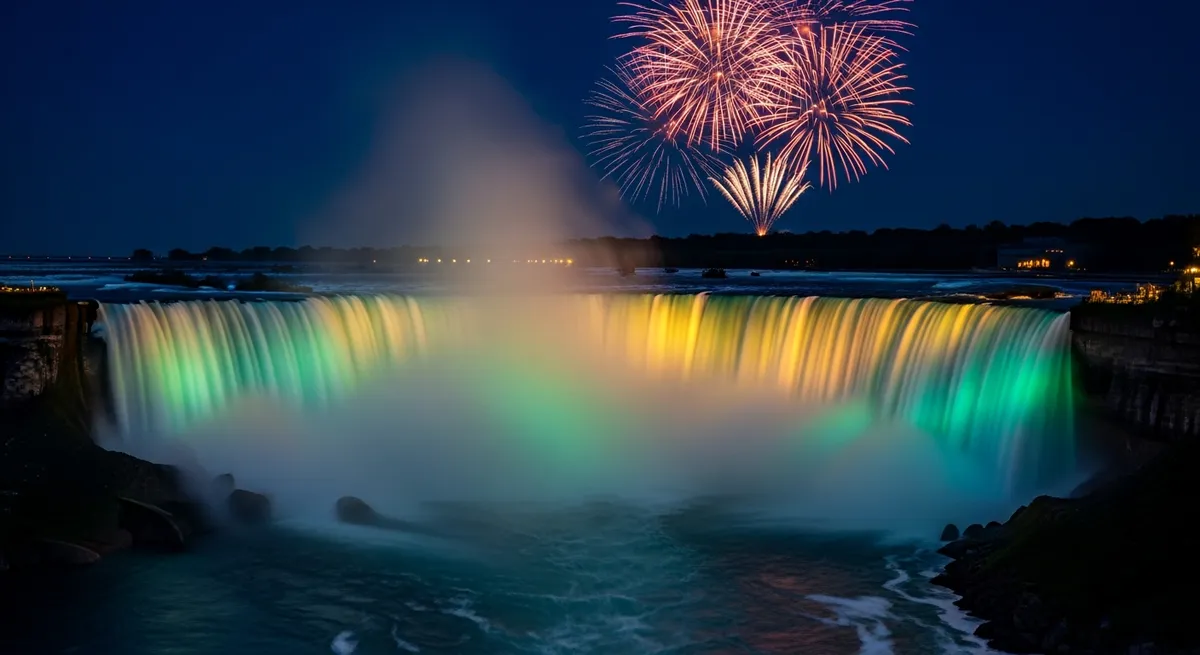
With your dates, attractions, and accommodation set, create a loose daily plan. Start each day early to beat the crowds at popular spots like the Hornblower boat cruise or Journey Behind the Falls. Reserve mid-day for less crowded activities such as visiting the Butterfly Conservatory or exploring the Niagara Parkway. End your day with a walk along Queen Victoria Park to see the falls illuminated at night.
Leave some open time in your schedule for spontaneous stops or rest. Weather can change quickly, and some attractions may have longer wait times than expected. A flexible itinerary lets you adjust without feeling like you missed something.
Step 6: Consider a Guided Tour
If you prefer a structured experience with no planning stress, a guided tour can be a great choice. Many operators offer packages that include transportation, entry fees, and a knowledgeable guide. For a comprehensive experience, you might look into Niagara Falls Bus Tours, which covers the main viewpoints and attractions in a single day. These tours often include hotel pickup and drop-off, saving you time and effort.
When choosing a tour, check what is included: some only cover transportation, while others include boat tickets or behind-the-scenes access. Read reviews and ask about group sizes to ensure you get a comfortable experience.
Step 7: Pack for the Conditions
The falls create a constant mist that can soak you even on a sunny day. Bring a waterproof jacket or a poncho, and wear shoes with good grip because the walkways can be slippery. In summer, light clothing and sunscreen are important, while winter requires warm layers and waterproof boots. Always carry a small bag with water and snacks, as food options near the falls can be expensive and crowded.
If you plan to take the boat cruise or walk behind the falls, you will get wet regardless of the weather. Many hotels provide complimentary ponchos, but it is wise to bring your own.
Step 8: Manage Your Budget
Niagara Falls can be expensive, especially for parking, dining, and attraction tickets. Set a daily budget early and look for combo tickets that bundle popular attractions at a discount. Many hotels offer package deals that include room and attraction passes. Eating a big breakfast at your hotel and packing a lunch can save money and time.
Free activities include walking along the Niagara River, exploring the parks, and watching the evening illumination. If you are on a tight budget, prioritize these free experiences and choose one or two paid attractions that matter most to you.
Step 9: Respect the Environment and Safety
The Niagara area is a natural wonder, and it is important to treat it with care. Stay on marked paths, do not climb over barriers, and keep a safe distance from the edge of the falls. The currents along the river are dangerous, and the rocks can be unstable. Follow all posted signs and instructions from park staff.

If you are visiting with children, keep them close and explain the risks of the water and heights. The mist can make surfaces slippery, so hold handrails when available. A safe trip is a memorable one.
Step 10: Enjoy the Local Area
Beyond the falls themselves, the region offers a lot. Niagara-on-the-Lake has historic buildings, boutique shops, and wineries that offer tastings. The Niagara Parkway provides a scenic drive or bike ride along the river. In summer, there are outdoor concerts and festivals in Queen Victoria Park. Take time to explore these spots; they add depth to your trip beyond the main attraction.
If you have extra days, consider a day trip to nearby attractions like the Welland Canal or the town of Fort Erie. The area is rich in history and natural beauty, and a well-planned trip lets you experience it fully.